


Seasonal winter recipes for great well-being
Winter is a time when the body naturally seeks warmer, more nutritious and more filling food. Cold days, less sunshine and more sitting can quickly tire us out, so it’s all the more important to set our plates wisely. Seasonal ingredients are not only tasty and accessible, but also nutritionally rich – root vegetables, cabbage, legumes and warm soups are true allies of well-being. Here are some simple winter recipes that aren’t complicated but give your body exactly what it needs.
Ideas for simple, delicious winter plates!
The recipes below are designed to be easy to prepare without complicated procedures or special cooking skills. They are based on seasonal foods that are easily available and nutritionally rich in winter. The dishes are suitable for every day – for lunch during the working week or a warm dinner after a long day. The aim is simple: less complication, more warmth, flavour and support for the body in winter.
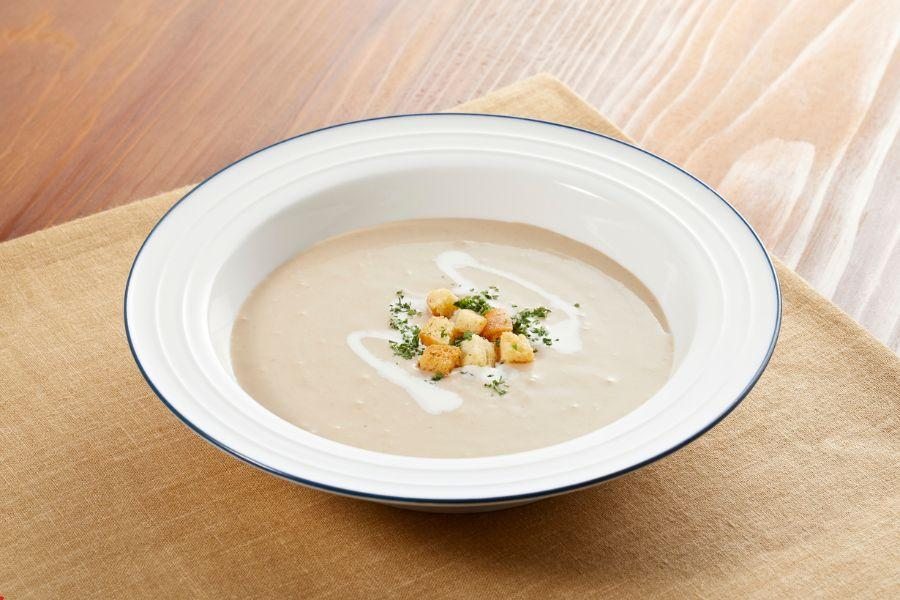
Creamy roasted vegetable soup
Winter soups are the law – they’re warming and filling, and they can be very simple.
Ingredients:
2 carrots
piece celery tuber
1 potato
onion
garlic clove
vegetable stock
tbsp olive oil
Preparation:
Chop the vegetables, drizzle with oil and roast in the oven for about 25 minutes. Then transfer to a pot, pour in the stock and blend. Add a spoonful of yoghurt or sour cream, if desired. The flavour is fuller than that of a classic cooked soup, but the preparation is still easy.
Quick winter sauerkraut with buckwheat
A classic ingredient, prepared a little differently.
Ingredients:
sauerkraut
cooked buckwheat
onion
bay leaf
a little caraway seed
Preparation:
Fry the onion quickly, add the cabbage, spices and a few tablespoons of water. Simmer for 10-15 minutes. Stir in the cooked buckwheat. The result is a warm, filling meal with plenty of fibre and minerals. Also excellent for digestion.
Red lentil and vegetable stew
The perfect recipe for days when you don’t have much time.
Ingredients:
red lentils
carrots
leeks
tomato paste or chopped tomatoes
paprika powder
salt, pepper
Preparation:
Put the chopped vegetables in a pot, add the lentils and cover with water. Cook for about 20 minutes. Season. The dish is thick, protein-rich and very filling.
Warm apple-oat breakfast
For a good start to the day, without feeling heavy.
Ingredients:
oatmeal
grated apple
cinnamon
teaspoon honey
walnuts or almonds
Preparation:
Cook the flakes in water or milk, add the apple and cinnamon. Sprinkle with nuts. A warm breakfast stabilises energy and reduces cravings for sweet snacks.
Food is the foundation, but it’s not everything
Even the best winter plate doesn’t help much if we spend most of the day without exercise and stressed. Diet is an important part of wellbeing, but it works best when it is supported by lifestyle. Three key pillars are essential for better energy and less tension in winter: regular, moderate exercise (even a short walk counts), as little chronic stress as possible, and good posture when working and sitting.
As many people spend several hours a day at their desks, the way they sit is a decisive factor for spinal well-being, breathing and overall concentration. Traditional passive sitting “switches off” the body, while dynamic sitting encourages fine movements and natural body alignment. SpinaliS chairs are based on this principle. They are designed to support dynamic sitting and help maintain better posture even when working for long periods of time. This makes it easier to maintain the effect of good habits, diet and exercise throughout the day.
Small habits, big difference
You don’t have to have a perfect menu and an ideal schedule to make a change. It’s enough to eat more warm, seasonal food in winter, move regularly and be conscious about the way we sit and work. Sitting down every day is an often overlooked part of health, so it helps if we design our working environment to support movement and good posture, for example by using our SpinaliS chair.
Small, repeatable habits like these – better plate, more exercise and dynamic sitting – have a bigger impact in the long run than occasional big efforts. And the body usually pays us back quickly with more energy and a better sense of well-being.
See more ...

Spring tiredness and back pain – how to help yourself?
As the days get longer and nature wakes up, we would like to see more energy. But many people feel the opposite at this ...

How to incorporate more exercise into your daily routine
Given the pace of our lives, we often don’t have the time or the will to exercise. Being tied to modern ...

Nutrition tips for more energy and better well-being during the winter months
Pozimi pogosto občutimo manj energije. To se zgodi zaradi različnih dejavnikov, npr. manjša količina dnevne ...

5 simple exercises to relax after a long day
Long, tiring days, often spent in front of a computer, put a strain on our bodies. This is felt especially in the neck, ...

How to stay vital in the cold months?
The colder months, autumn and winter, are a bit more challenging for maintaining vitality and general well-being. Our ...
How to stay active and focused in the middle of a hot summer
Summer is a time when the heat often gets the better of us and we look for moments to relax a little. However, ...

Why SpinaliS chairs are the perfect choice for summer reading
Even though the school gates have closed, it is important that children do not forget to read during the summer ...
Turning a sedentary lifestyle into a dynamic process
Modern lifestyles force us to sit for long periods of time, whether in front of a computer in the office, on the ...