


Sitting and movement in children may be more linked than you think
Movement is a fundamental biological need of children that affects their overall development. The World Health Organisation (WHO) recommends that children and adolescents should be physically active for 60 to 90 minutes every day. However, in a modern lifestyle characterised by excessive use of electronic devices, young people are often confronted with a lack of exercise. The consequences of this impact on children’s physical ability are noticeable in many areas of their development.
Weight gain and reduced exercise capacity
Research carried out by the SLOfit project shows an alarming trend of increasing proportion of overweight children in Slovenia. The percentage of overweight children ranges between 20 and 24%, which leads to reduced physical fitness, especially in the area of endurance. Experts note that children’s aerobic capacity is declining markedly, as can be seen in the results of tests such as the 600-metre dash. Children aged 11-13 run this distance on average 7 to 8 seconds slower today than they did 20 years ago.
The importance of taking appropriate measures to promote exercise
To tackle the trend of declining physical activity in children, it is crucial to take appropriate measures. Encouraging exercise and promoting healthy lifestyles are becoming essential to maintain children’s physical performance and prevent negative consequences on their health. Many studies show that there is a strong link between excess body weight, lower exercise capacity and poor health in children. Physical inactivity, unhealthy diets and poor physical fitness pose a direct threat to children’s health. In modern society, heart disease, metabolic problems and type 2 diabetes are becoming a serious health problem facing Slovenian children.
Physical activity as the key to holistic child development
Why is physical activity so important for children? It’s about more than strengthening your muscles, heart and lungs. Physical activity is an opportunity to interact with others while developing children’s biological, intellectual, psycho-social and mental development. It is crucial that this development is based on children’s happiness and satisfaction. Research shows that children who are less physically active and less physically successful tend to have lower grades and lower academic achievement compared to their more physically able peers. It is therefore important to understand that children’s physical activity is a long-term investment in their health. Not only does it allow for optimal physical condition, but it also shapes a healthy lifestyle and promotes the holistic development of the individual.

The complexity of child brain development
Recent research has provided a wealth of new insights into children’s mental development. Scientific findings in neuroscience, neurophysiology, cognitive psychology, kinesiology and modern paediatrics are revealing new aspects of the development of children’s potential. The development of human biological potential is a complex and dynamic process involving the systemic interaction of multiple factors such as the individual, genetics, family and social environment. A crucial period for brain development occurs in the pre-school years, where the dynamics of this complex process unfold. In early childhood, it is crucial to stimulate the activity and integration of neurons, the basic building blocks of nerve cells, as the child’s brain is like a highly absorbent “sponge” that actively receives a variety of stimuli from the environment. The process of perceiving the environment triggers the establishment of new connections between nerve cells. The development of synaptic connections depends on the stimulus environment in which the child lives. A rich and stimulating environment encourages the creation of more synaptic connections. Children who develop basic motor skills such as crawling and crawling at an early age are exposed to a wide variety of stimuli from the environment.
Why is active sitting important for children?
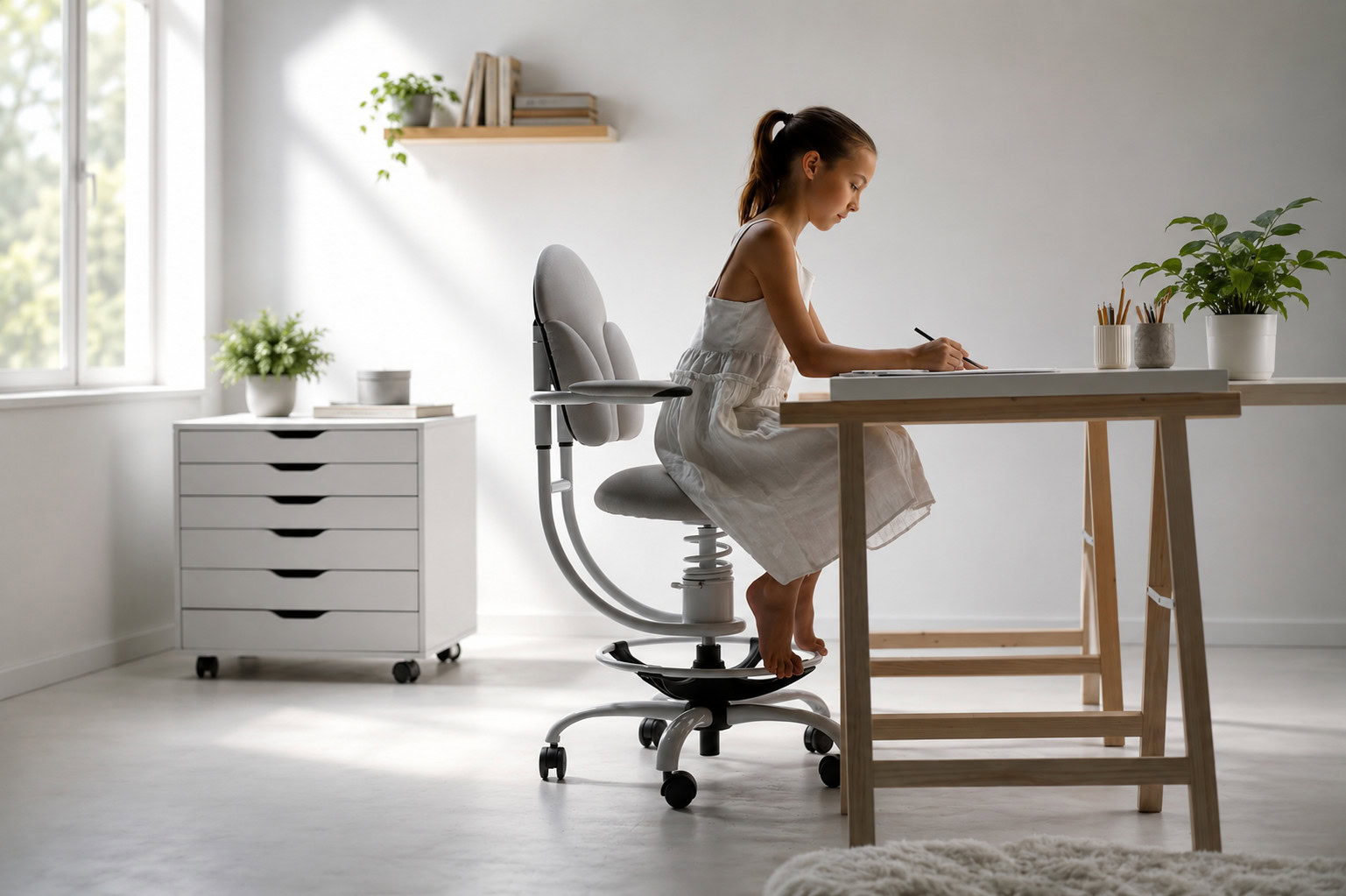
In today’s fast-paced world, we spend more and more time sitting, which is especially true for children who spend hours in front of computers and other devices. Sitting has become a central part of children’s day, especially after school. Active sitting, which is encouraged by the SpinaliS chair, allows children to maintain a dynamic posture while sitting, which is crucial for proper spinal development and muscle strengthening.
How does active sitting affect children’s development?
Children who practise active sitting benefit on several levels. In addition to strengthening the spinal muscles and maintaining correct posture, active sitting also promotes better concentration and focus in learning. Relaxed and strengthened muscles allow children to be more mobile and prevent possible back problems in the future.
See more ...

Which ergonomic chair should I choose if I sit a lot?
Do you spend more than 6 or 8 hours a day in front of a screen? Then you’re among the more than 70% of office workers ...

Spring tiredness and back pain – how to help yourself?
As the days get longer and nature wakes up, we would like to see more energy. But many people feel the opposite at this ...

Seasonal winter recipes for great well-being
Winter is a time when the body naturally seeks warmer, more nutritious and more filling food. Cold days, less sunshine ...

How to incorporate more exercise into your daily routine
Given the pace of our lives, we often don’t have the time or the will to exercise. Being tied to modern ...

Nutrition tips for more energy and better well-being during the winter months
Pozimi pogosto občutimo manj energije. To se zgodi zaradi različnih dejavnikov, npr. manjša količina dnevne ...

How can we make sure children get enough exercise in winter?
Making sure children get enough exercise, even in winter, is a challenge many parents face. Cold weather, shorter days ...
Make 2025 a year without back pain
The start of 2025 is a great opportunity to make a healthier lifestyle choice. One of the most common problems we face ...

5 simple exercises to relax after a long day
Long, tiring days, often spent in front of a computer, put a strain on our bodies. This is felt especially in the neck, ...
Choose the perfect gift!
The festive season is a time of joy, warmth and giving. But finding the perfect gift for a loved one is not always ...
How important is sitting ergonomics for children’s health?
The first years of life have a crucial influence on the development of the spine. Especially during the period when ...
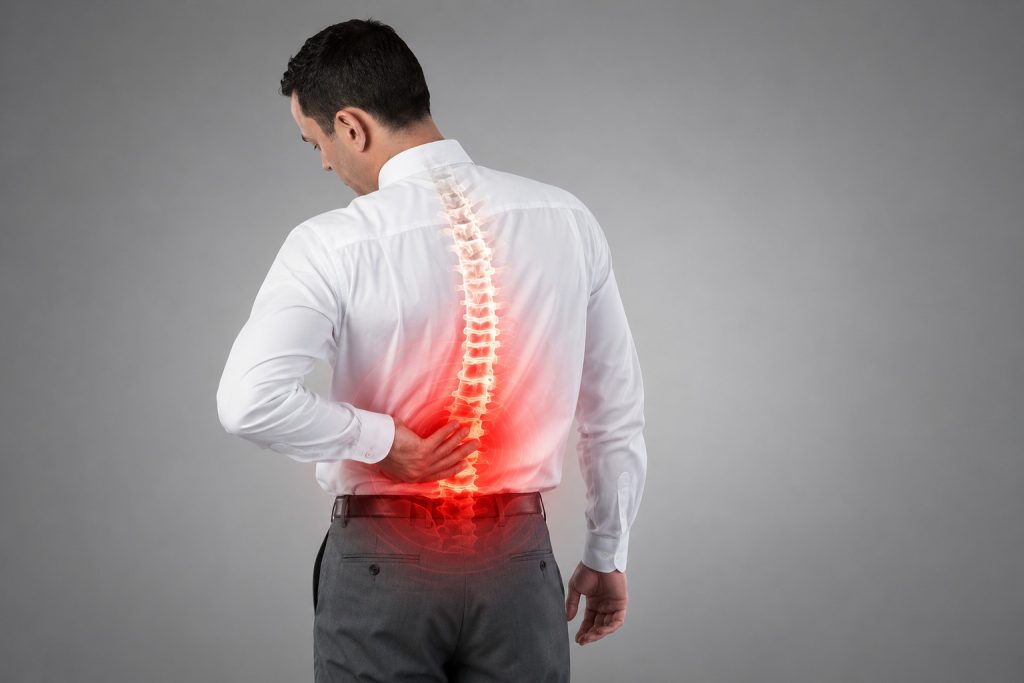
Degenerative changes in the spine caused by sitting?
Degenerative changes in the spine are … a natural ageing process that affects various body structures (cartilage, ...
How to stay vital in the cold months?
The colder months, autumn and winter, are a bit more challenging for maintaining vitality and general well-being. Our ...
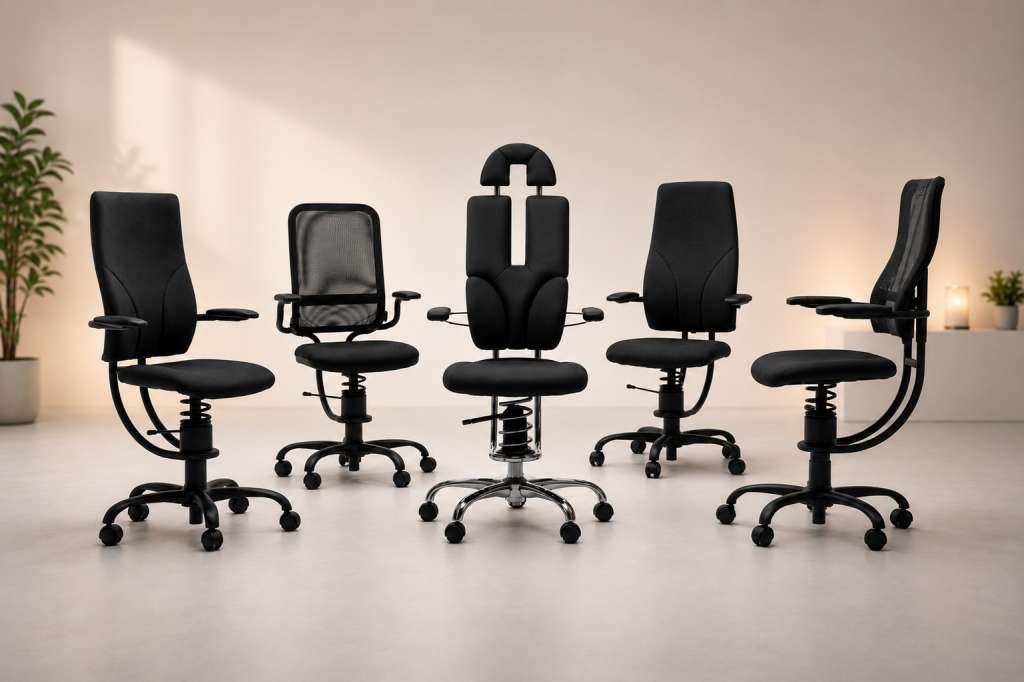
Discover our range of office chairs and choose the best one for you
Choosing the right office chair is crucial for comfort, correct posture and spinal support when sitting for long ...
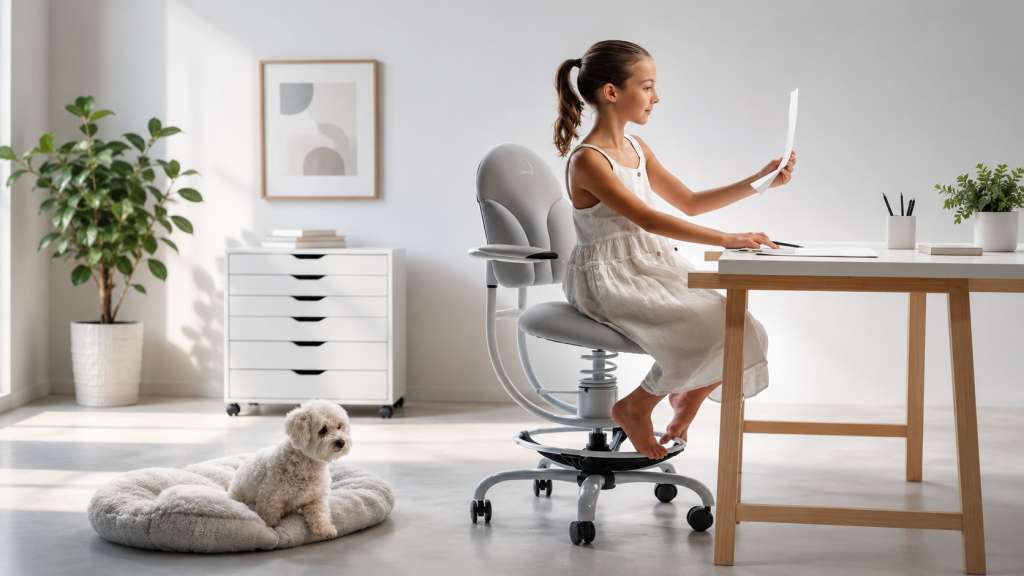
Which SpinaliS chairs are best suited for children?
Children’s bodies are constantly developing and growing. That’s why their posture is so important. If ...