


Dispelling myths: how can children stay healthy while sitting?
In today’s digital age, where screens dominate children’s attention, concerns about their sitting lifestyle and its impact on their health are at an all-time high. But amidst these concerns, there is a beacon of hope – dynamic seating solutions designed to change the way children sit. Let’s explore the myths about children’s sitting habits and delve into the importance of dynamic sitting in nurturing a healthy spine from a young age.
Dispelling the myth of static sitting
For generations, the prevailing belief has been that children need to sit still and maintain a rigid posture in order to concentrate on their tasks. However, this notion overlooks the fact that children are naturally inclined to move and explore. Expecting them to remain static and perfectly still not only goes against their inherent instincts, but also fails to take into account the detrimental effects of prolonged immobility on their developing bodies.
Static sitting, characterised by fixed chairs and tables, promotes poor posture and muscle stiffness. When children are held in such rigid postures for long periods of time, they experience increased pressure on the spinal discs and strained muscles. Over time, this can lead to discomfort, fatigue and even musculoskeletal disorders.
In addition, the sedentary nature of static sitting restricts blood circulation, resulting in reduced oxygen supply to the brain. This can impair cognitive function, concentration and then even overall academic performance. Contrary to popular belief, sitting still does not mean increased concentration, but rather hinders a child’s ability to fully engage in their learning environment.
Dynamic sitting plays a key role in keeping your child healthy
Dynamic sitting, which consists of active and relaxing activities, includes movement as an integral part of the sitting experience. By incorporating dynamic elements into seating solutions, such as tilting mechanisms and flexible materials, active sitting encourages continuous micro-movements that engage the core muscles and promote spinal health. In active sitting, the child sits in the centre of the seat, mimicking sitting on a fitness ball. So-called relaxed sitting is when the child moves towards the backrest. The combination of these two styles of sitting ensures that the muscles are properly active.
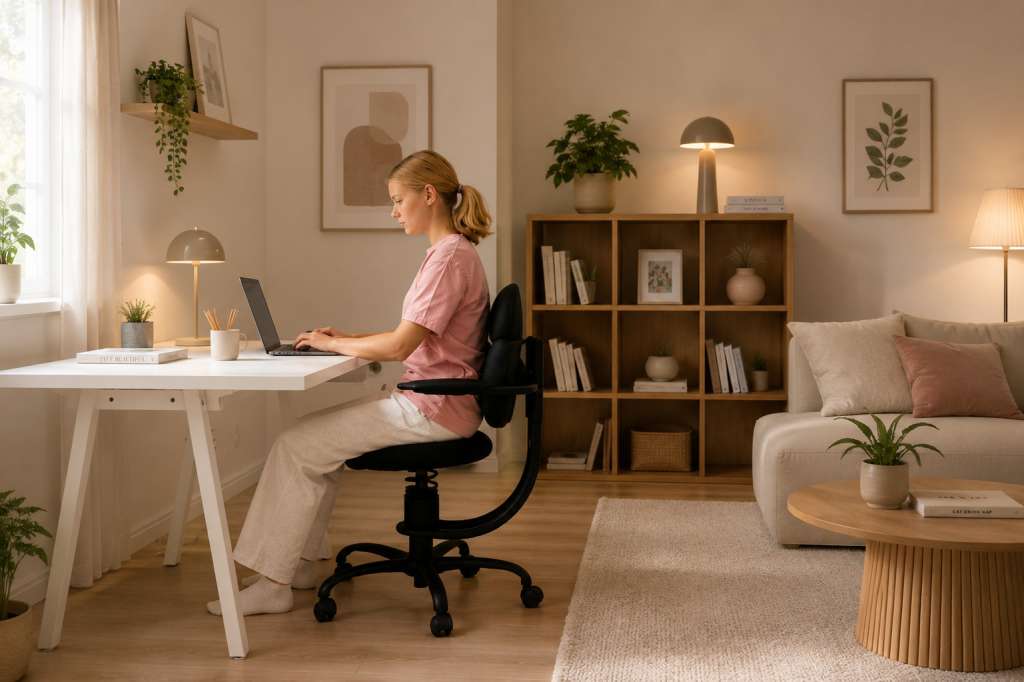
One of the key benefits of dynamic sitting is its ability to prevent the development of bad posture habits. Unlike static sitting, which encourages bending and slouching, active sitting encourages children to adopt a more upright and dynamic posture. This in turn reduces the strain on the spine and supports the natural curvature of the back.
Dynamic sitting also stimulates blood flow and circulation and delivers oxygen and nutrients to the brain more efficiently. When children subtly move and adjust their position while sitting, they experience increased attention, concentration and cognitive function. This dynamic engagement with their environment fosters a sense of participation and control over their learning experience.
It also promotes overall physical health and well-being by counteracting the negative effects of conventional sitting. By incorporating movement into their daily routine, children develop stronger muscles, improve coordination and balance. This not only reduces the risk of musculoskeletal problems, but also lays the foundations for a lifelong commitment to physical activity and healthy living.
Treat your child to only the best
SpinaliS dynamic chairs offer a refreshing alternative to static chairs by encouraging movement and activity even when sitting. These innovative chairs encourage movement, swaying and subtle changes in posture that not only activate the core muscles but also reduce the strain on the spine.
When it comes to choosing the perfect chair for your child, prioritise ergonomics and flexibility. Look for chairs that support the natural curvature of the spine, offer height adjustment options and encourage movement. Investing in a dynamic chair is an investment in your child’s health and well-being.
Dynamic sitting is just one piece of the puzzle. To really encourage a healthy lifestyle, include regular breaks for physical activity in your child’s routine. Encourage them to stretch, walk around or play actively to counteract the negative effects of prolonged sitting.
Keep your child’s spine healthy
In the fight against sedentary lifestyles, dynamic sitting is proving to be an exceptional ally, offering a holistic approach to keeping children healthy while sitting. By dispelling the myth of static sitting and embracing the benefits of these innovative chairs, we are paving the way to a healthier future. Let’s change the way children sit and set them on the path to lifelong health and vitality.
Try it for free
You can also try out the SpinaliS chair for free – at home or at work. Choose yours and we can arrange it today!
See more ...

Which ergonomic chair should I choose if I sit a lot?
Do you spend more than 6 or 8 hours a day in front of a screen? Then you’re among the more than 70% of office workers ...

Spring tiredness and back pain – how to help yourself?
As the days get longer and nature wakes up, we would like to see more energy. But many people feel the opposite at this ...

Seasonal winter recipes for great well-being
Winter is a time when the body naturally seeks warmer, more nutritious and more filling food. Cold days, less sunshine ...

How to incorporate more exercise into your daily routine
Given the pace of our lives, we often don’t have the time or the will to exercise. Being tied to modern ...

Nutrition tips for more energy and better well-being during the winter months
Pozimi pogosto občutimo manj energije. To se zgodi zaradi različnih dejavnikov, npr. manjša količina dnevne ...

How can we make sure children get enough exercise in winter?
Making sure children get enough exercise, even in winter, is a challenge many parents face. Cold weather, shorter days ...
Make 2025 a year without back pain
The start of 2025 is a great opportunity to make a healthier lifestyle choice. One of the most common problems we face ...

5 simple exercises to relax after a long day
Long, tiring days, often spent in front of a computer, put a strain on our bodies. This is felt especially in the neck, ...
Choose the perfect gift!
The festive season is a time of joy, warmth and giving. But finding the perfect gift for a loved one is not always ...
How important is sitting ergonomics for children’s health?
The first years of life have a crucial influence on the development of the spine. Especially during the period when ...
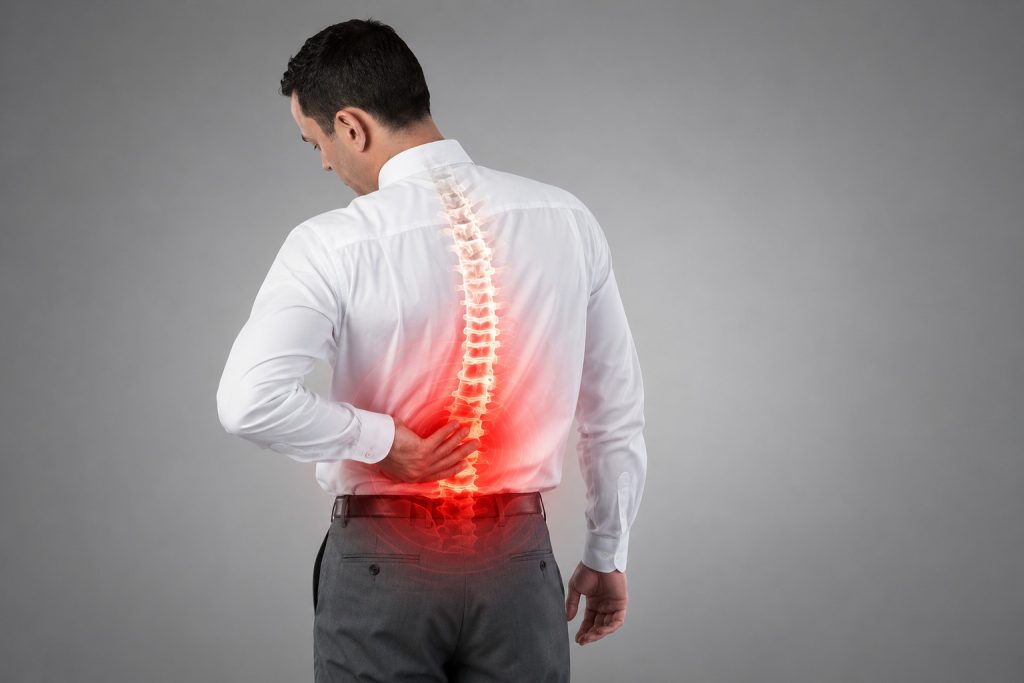
Degenerative changes in the spine caused by sitting?
Degenerative changes in the spine are … a natural ageing process that affects various body structures (cartilage, ...
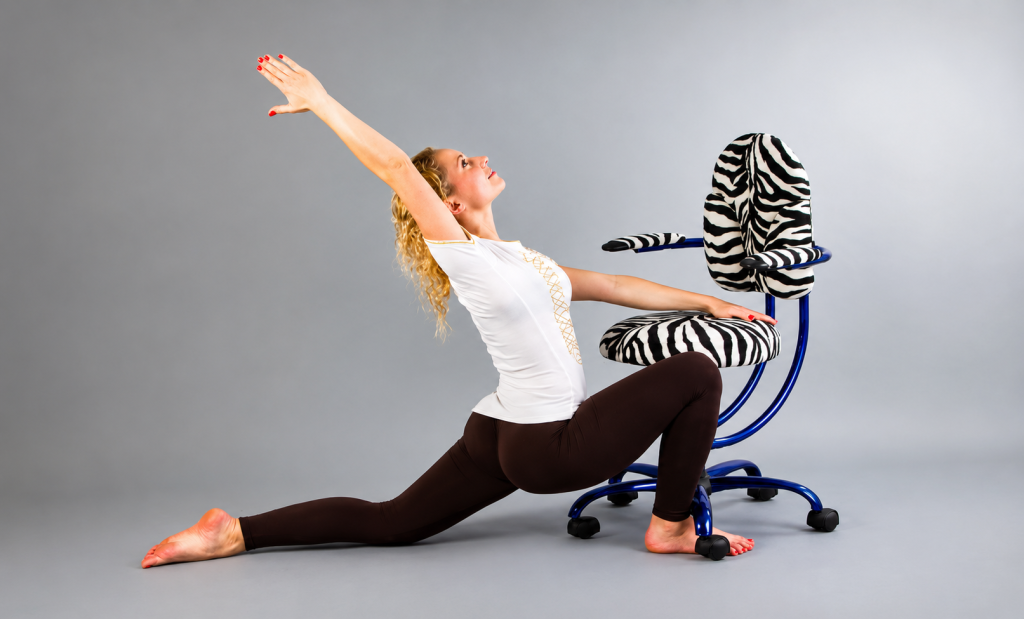
How to stay vital in the cold months?
The colder months, autumn and winter, are a bit more challenging for maintaining vitality and general well-being. Our ...
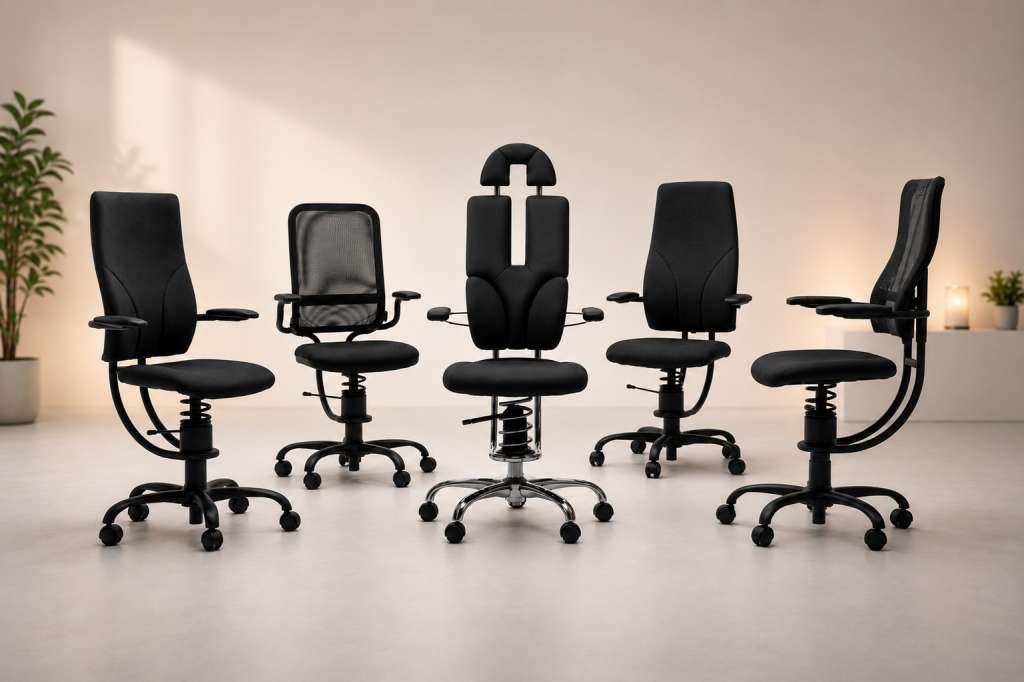
Discover our range of office chairs and choose the best one for you
Choosing the right office chair is crucial for comfort, correct posture and spinal support when sitting for long ...
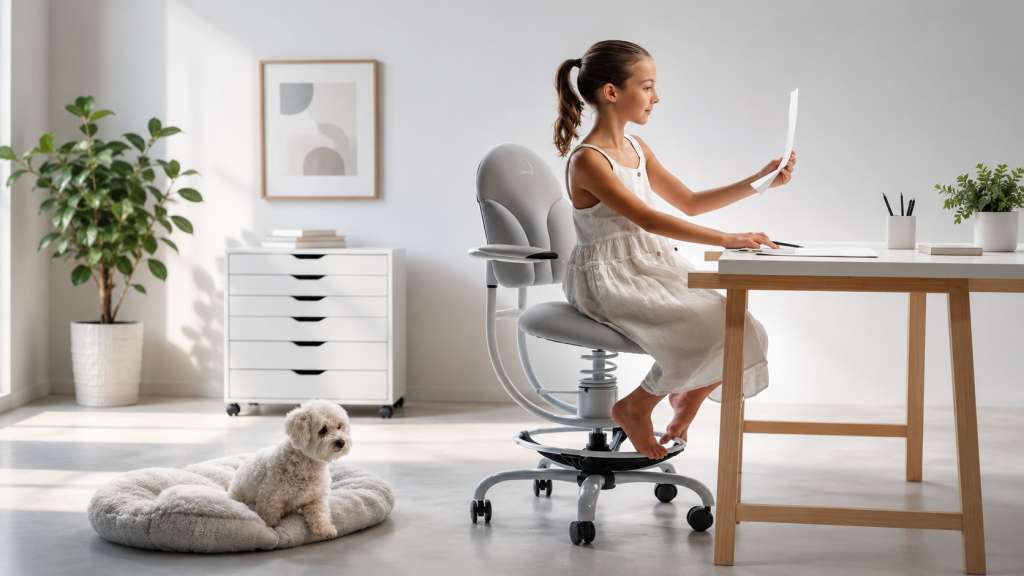
Which SpinaliS chairs are best suited for children?
Children’s bodies are constantly developing and growing. That’s why their posture is so important. If ...